



Author’s Note: You may notice something a little different in the last several newsletters. I’m trying a new rhythm: a free section that lays out the landscape of what I’m stewing on: the facts, the stakes, the contours of the moment. It will be followed by a deeper, more metacritical dive into how myths harden into reality and shape the country we’re living in. That second layer is for paid subscribers, the folks who want to walk with me into the engine room of the narrative. If you haven’t yet, consider becoming a paid subscriber so you can join me for the full journey.
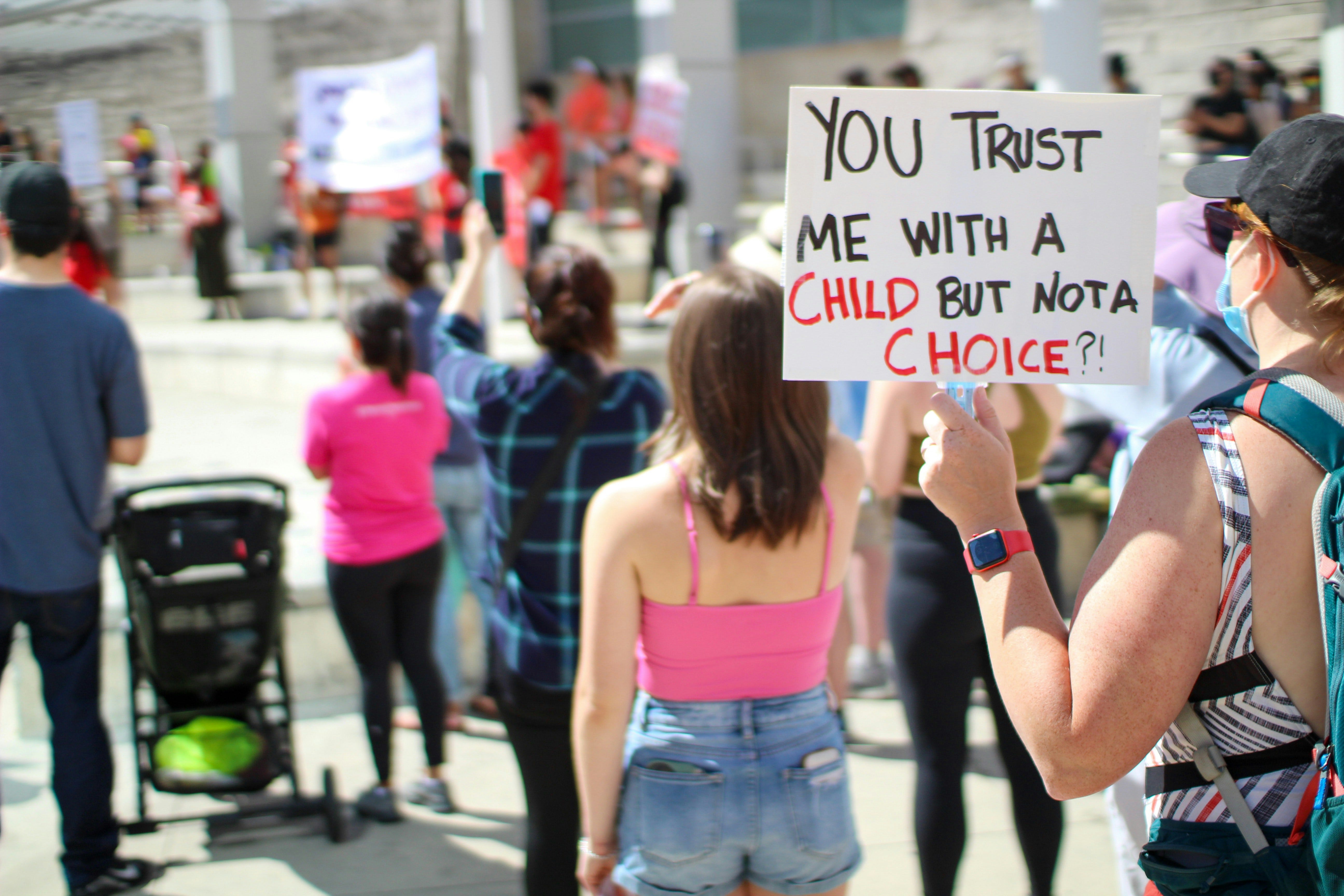
With reproductive freedom stripped from millions across half the country and health care premiums on the rise, maternal mortality rates will likely worsen. Maternal health is already one of the most underfunded corners of American medicine, and that will likely continue. Black women have been three to four times more likely to experience pregnancy-related deaths, regardless of income or education level, than White women. Now, in a landscape where access to care is shrinking, and state-run efforts to limit women’s health needs are staggeringly successful, the future becomes harder to imagine, and the environment keeps getting darker.
A society that treats its women as vessels to produce life while ignoring their right to survive is a society in decline. And maternal health doesn’t fail quietly. It echoes: Researchers at Johns Hopkins found that, as a result of abortion bans, there were 22,000 more births and an 11% rise in Black infant mortality rates. It is a system untangling at both ends of life. KFF warns that foretold Medicaid cuts and coverage losses will only exacerbate disparities by making pregnancy even more dangerous for those in communities most at risk.
The mechanisms are not limited to the mother. The children of Black mothers who die may be at higher risk of depression and chronic disease, less likely to graduate from school, and families lose a primary breadwinner, and caregivers are fatigued. The impact on the larger community is considerable. Even if you think of this as a “multigenerational crisis” as the Institute for Women’s Policy Research (IWPR) does, the math is brutal: one death ripples outward for decades.
And all this unfolds while states pass laws that treat women’s health as a contaminant. In Texas, neighbors are deputized as bounty hunters. In Wisconsin, legislators want women to collect the “waste” of their own miscarriages in plastic kits under the guise of environmental protection. It’s pseudoscience masquerading as governance. Even in states that call themselves havens, women face the quieter forms of abandonment: maternity units closing, postpartum care underfunded, and menopause dismissed until Halle Berry forces it into the spotlight.
Women are watching the United States destabilize under its own nonsense as neighboring Mexico, Colombia, and Argentina, countries also stereotyped as socially conservative, are reinforcing the right to choose. At the same time, the United States of America drifts backward and insists its cruelty is principled.
We can judge a society by how it treats its women. Ours is not to be judged well today.

How Late 20th Century and Early 21st Century Centrism Sold a False Nobility Behind the Abortion Debate
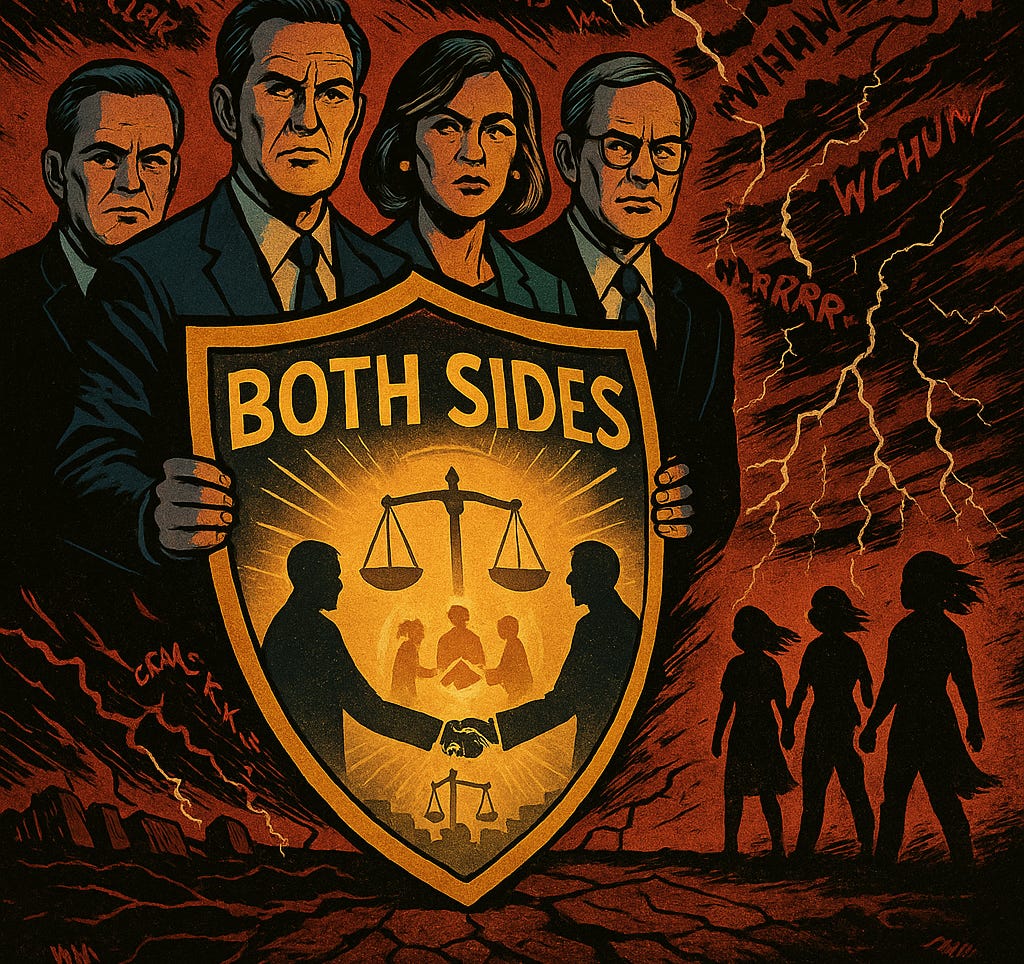
The crisis around women’s autonomy isn’t a sudden rupture. It’s the latest flashpoint in a longer unraveling: the moment when a superpower discovers it can no longer outrun the fictions that once held it together. For generations, America told itself stories about women that were meant to feel timeless. These stories were women who were supporting characters, moral symbols, fertile soil for the nation’s ambitions, but never quite the authors of their own destiny, despite the undeniable truth that women have always been the engines of historical change in this country.
Nowhere do those stories curdle faster than in the political mythology that wrapped itself around reproductive rights. For decades, the nation was told, by respectable centrists, bipartisan panels, editorial boards, and Sunday-show sages, that the abortion debate was an honorable clash of conscience. A noble balance between competing claims about life, faith, autonomy, and the limits of government. A principled standoff. Something tragic, perhaps, but dignified.
