

Note: Depending on the Epstein news today, I may be out with more content. In the meantime, I muse about Ukraine and the loss of trust Americans have in the foreign policy elite.
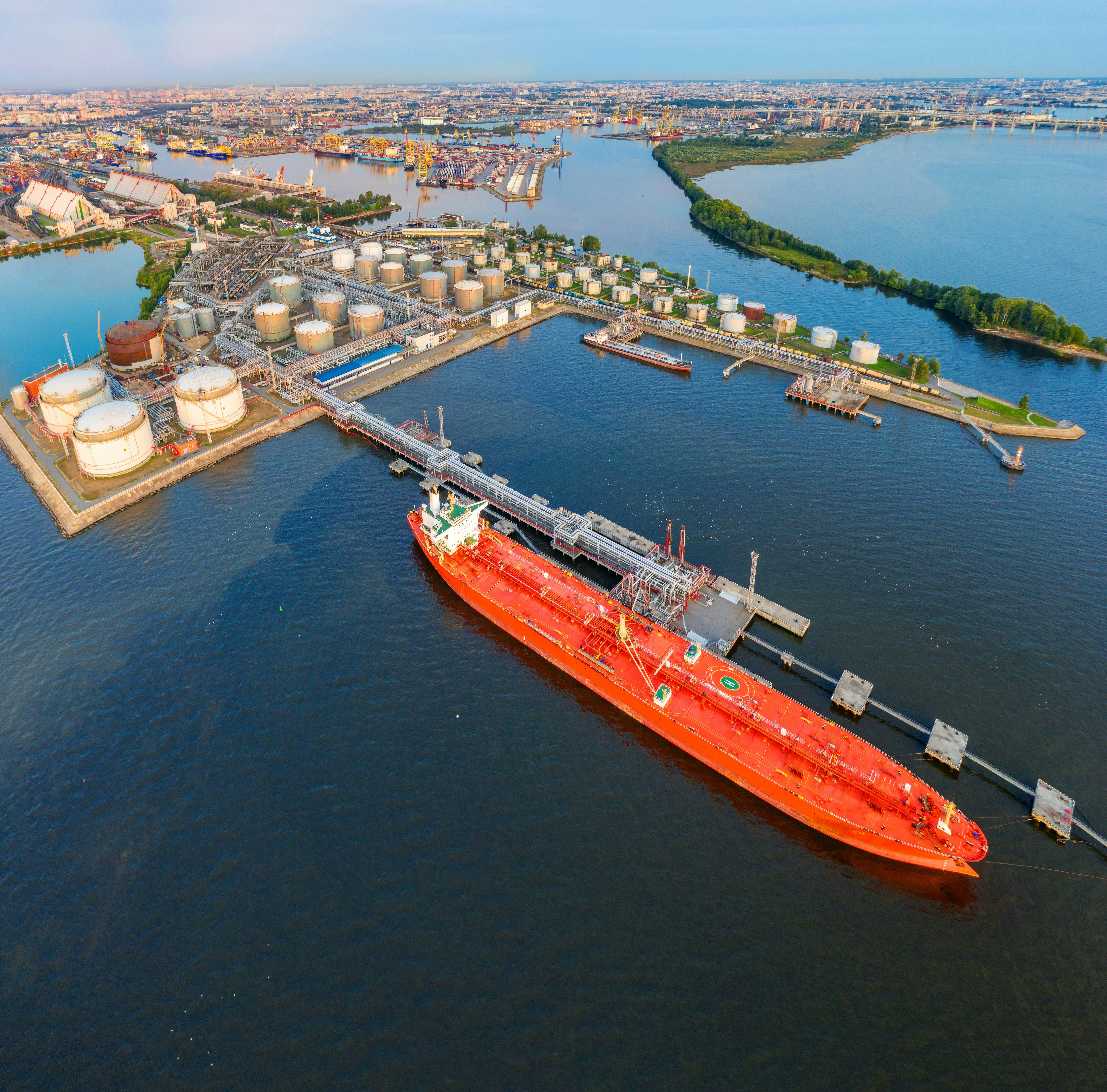
With Ukraine striking a Russian shadow tanker, which is a vessel reportedly used to circumvent sanctions stemming from Putin’s invasion, we see an interesting convergence of war narratives. The attack occurred far from Ukraine’s borders, off the Libyan coast, but is intimately tied to a broader effort to pressure Russia into reconsidering its territorial ambitions and to demonstrate that there are economic and strategic costs to imperial revanchism.
The strike highlights just how differently the war is framed depending on political and geographic lenses. The right wing in the U.S. often views the conflict as a financial sinkhole and a dangerous provocation, ripe for unintended escalation. Meanwhile, left-leaning outlets appear disinclined to spotlight such kinetic developments. According to Ground News, out of 24 media organizations covering the shadow tanker attack, only one was categorized as left-leaning. This reflects a broader editorial pattern: the American left tends to focus its Ukraine coverage on peace talks, diplomatic overtures, and humanitarian suffering. It is less so on drone strikes off the coast of Africa, perhaps because it evokes images of a global empire and surveillance.
In Europe, the coverage fractures along familiar geographic and political lines. Western European media, like Le Monde or Der Spiegel, often frame Ukraine’s struggle through the lens of internal EU debates over reconstruction aid and peace dividends. There is emphasis on financial fatigue and legal wrangling, such as the EU’s recent failure to agree on using frozen Russian assets, even as leaders approved a €90 billion loan package. In contrast, outlets in Poland or the Baltics report Ukraine’s military actions with existential urgency. For nations with fresh memories of Soviet domination, Ukraine is not just a battleground, but instead a buffer zone between them and a resurgent Moscow. Unless, of course, you’re Hungary, where Viktor Orbán continues to treat Russia as a misunderstood partner rather than a predator.
Ukraine has also become a litmus test for the United States’ willingness and capacity to play a leading role in global affairs. The Russia-Ukraine war has pushed countries like China and North Korea closer together, with recent reports of arms transfers and strategic coordination designed to counterbalance Western influence. At the same time, many nations continue to rely on Russian oil or are slow-walking divestment, despite performative condemnations of territorial aggression. The web of energy interdependence, rising military spending, and domestic economic discontent has created a policy atmosphere heavy with fatigue and contradiction.
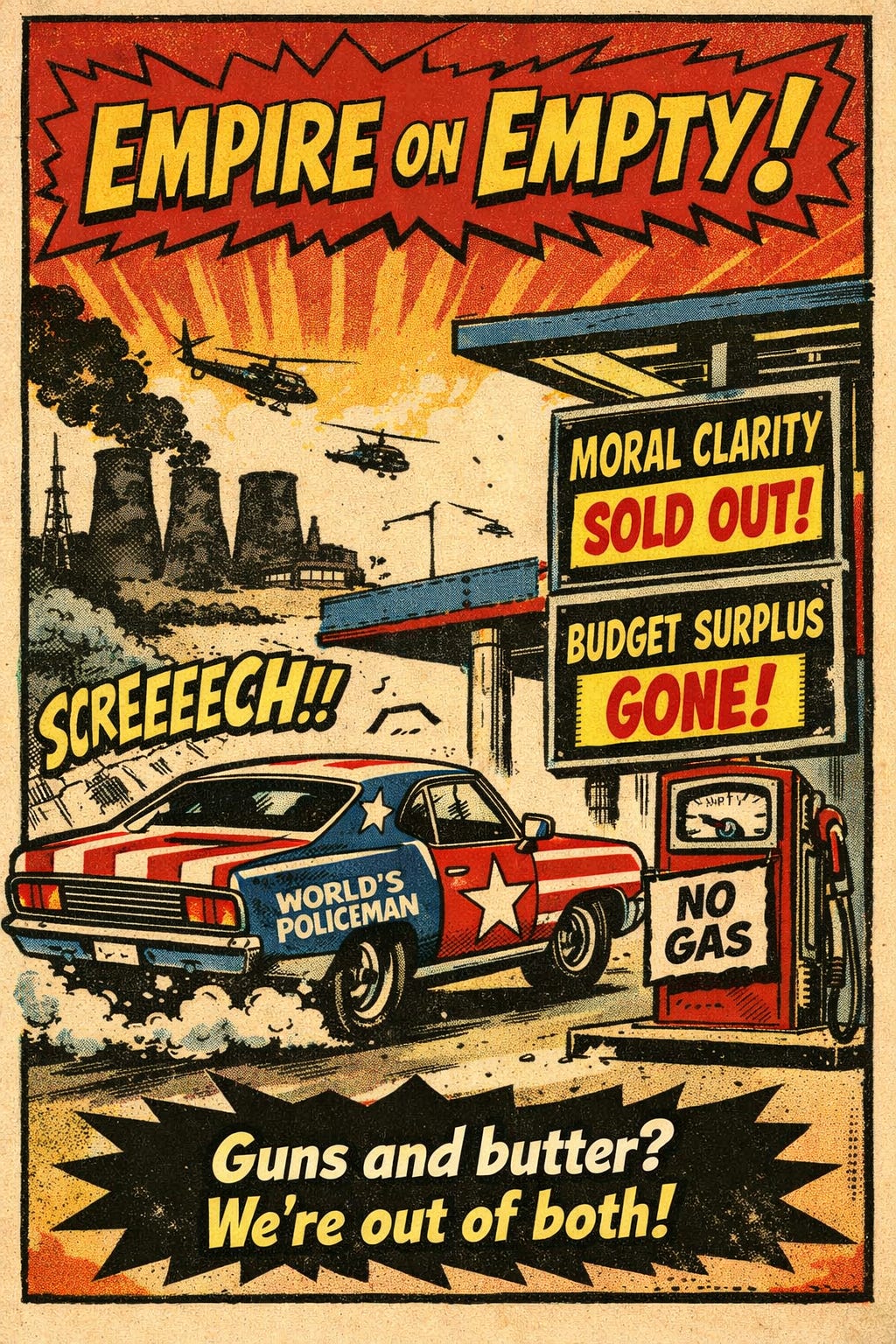
Once upon a time, the United States believed it could have both guns and butter. During the Cold War, it funded global anti-communist campaigns while investing in civil rights, education, and public infrastructure at home. But a half-century later, the imperial engine sputters. The question now isn’t just whether America can keep its commitments, it’s whether anyone still believes it can. Allies hedge and adversaries test while the rest of the world watches, wondering whether this old empire still has the fuel to burn.
We are living in interesting and transformational times indeed, though whether the transformation ends in renaissance or requiem remains to be seen.


Something I’ve been contemplating for the last several years is the degree to which the U.S. has squandered its international agenda-setting capital, and done so from within. Americans today have lived through an unbroken chain of military excursions, yet the majority are remembered not as noble interventions but as imperial campaigns sold to the public under false flags of democracy, defense, or humanitarian urgency.
After decades of this, is it any wonder that the American public is weary?
The cost of living rises, public infrastructure crumbles, and the phrase “foreign commitment” now evokes cynicism more than solidarity. What makes this more tragic (or more absurd) is that we now find ourselves in an age of genuine resurgent powers and strategic threats. But the imperial engine is already running on fumes, its pistons worn down by past misadventures and Beltway mythmaking.