

What if we are reading the Iran deal wrong?
The deal is bad. That may not be the story.

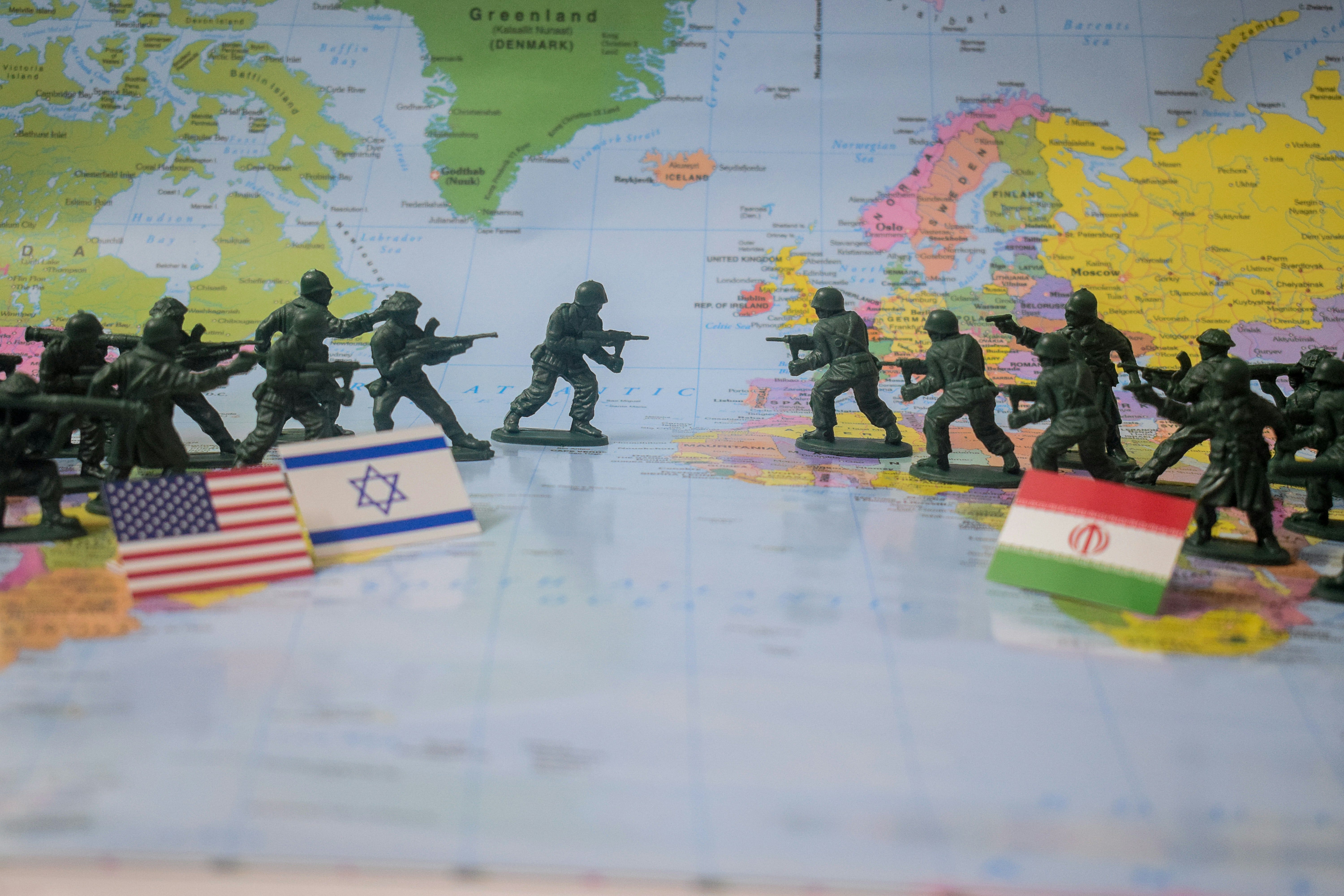
What if we are just writing reviews of a play that most Americans walked out of years ago?
I hope I am wrong, of course. But I have been wondering whether, after years of listening to center-left and center-right voices insist that a procedural blunder or a foreign policy upset will finally make people break with the Trump political train, that expectation is itself a kind of elite threshold fallacy. The belief that there exists some line of competence or decency that, once crossed, snaps the public back to its senses.
Trump’s deal is bad on the merits, and it flies in the face of everything he claimed about President Obama’s deal in his first term. It lets Iran keep enriching uranium, framed as power and not weapons, and it moves to unfreeze Iranian assets held abroad before any final agreement is reached, with no restrictions on how that money gets used. On top of that sits a promised reconstruction fund of at least 300 billion dollars, which the administration insists will be financed by regional partners rather than Washington, though anyone who has watched these funds materialize knows how thin that distinction tends to be. The early sanctions relief is the part that stings most, because the planeloads of cash were the exact sin Trump spent years pinning on Obama. Now his own administration is staging the same production with better lighting.
You do not have to take my word that this is a blunder. Take members of the GOP’s own statements. Bill Cassidy called it the worst foreign policy blunder in decades and said Reagan is rolling over in his grave. Nikki Haley looked at the terms and wrote, plainly, “If this is true, Iran wins.” When the hawks in his own coalition are the ones reaching for the eulogy, the “you just hate Trump” defense collapses. The deal is bad, and the people best positioned to say so are not in the press boxes I keep critiquing. They are at their own party.
However, it would be too easy, and a little dishonest, to stop there. The administration has a real argument, and not just a talking point. It goes a little something like this:
Obama’s deal tried to fence in a nuclear program that was intact and growing.
This MOU comes after a war that, Trump insists, already wrecked it.
The administration says the strikes took out 84 or 85 percent of Iran’s missiles and left the rest buried where Tehran cannot reach them.
If you believe that, the paper terms matter less because you are not constraining centrifuges. Instead, you are just sweeping up what is left of them. Enrichment rights on a broken program cost little, and the real deterrent becomes the thing Obama never had, a proven willingness to bomb again. That is the one honest difference between this deal and the one Trump spent years calling a disaster.
But look at where the whole case rests its weight. It rests on damage reports the administration is asserting, and that no one independent has confirmed. Iran has already said it will keep its enriched uranium and no longer trusts the inspectors. The program cannot be both rubble and still dangerous enough for Iran to guard it, and the people telling us it is rubble are the same people who cannot keep their own numbers straight. Asked about the $300 billion, Vance said it was money Iran could access if it behaved. Hours later, Trump called that figure fake news invented by Democrats. A steelman is only as strong as the floor it stands on, and this floor is a set of claims we are being asked to take on faith from the people who most need them to be true.
Still, here is the gap that the class of people scrutinizing inches and feet of treaty talks keeps falling into. As the Council on Foreign Relations put it this week, wars are defined by their narratives, and this one is being greeted differently in each country. The Americans are talking of peace. The Iranians are talking of victory. Both can be true at home simultaneously, and out in America, where people are overworked, streaming shows to dull the pain, and betting on games and headlines to forget neoliberalism’s disillusioning fog, this could register as Trump getting things done and prices falling. The minutiae of the memorandum of understanding (MOU) will, understandably, go over their heads. The bright lights of a Trumpian spectacle will hit close to home, especially if the tankers move and the pump number drops.
This is not me trying to be a contrarian. It is me trying not to be shocked when months of elite panic and pearl-clutching fail to translate into the American people holding the purported villain in the White House accountable. The story has been told too many times in the recent past to keep pretending that the next telling will end differently.
And yet I have to hold my own argument to the same standard I hold theirs to. If treating elite accountability as inevitable is a fallacy, then treating the populist read as destiny is the same fallacy wearing the other team’s jersey. None of this is fixed. Oil could spike again if the Strait reopening stalls. The sixty-day window could produce an Israeli strike that Trump cannot disown. The hawk revolt could find a candidate willing to run against the deal from the right and run hard. The smart bet is that spectacle beats scorecards. But it is a bet, not a law, and the moment I forget that, I am just writing the same confident review from the opposite balcony.

Iran with a nuclear weapon is not threat to America....period. Nor even to it's neighbors. Look at India and Pakistan, both are hostile neighbors, and they still fight over Kashmir, both have nukes and are not stupid enough to use them, but only have them as a deterrence, same with No. Korea and Russia. No nation with nukes is stupid enough to use them,except in a Sampson option (Old testament Sampson).
No it is Israel that seeks to be the nuclear hegemone in the Mideast, and Israel's nukes are actually it's Sampson option.
A Memorandum of Understanding (MOU) is simply an agreement to provide services or in this case to sit down and have a meeting to come to an agreement, the terms to be discussed are in the MOU
I managed a non profit Senior Transportation program, funded by the Area Agency on Aging, and it was run and financed under an MOU, which the AAA could have backed out of, without recourse at any time.
https://substack.com/@rossboulton1/note/p-202521930?utm_source=notes-share-action&r=2leuaj