


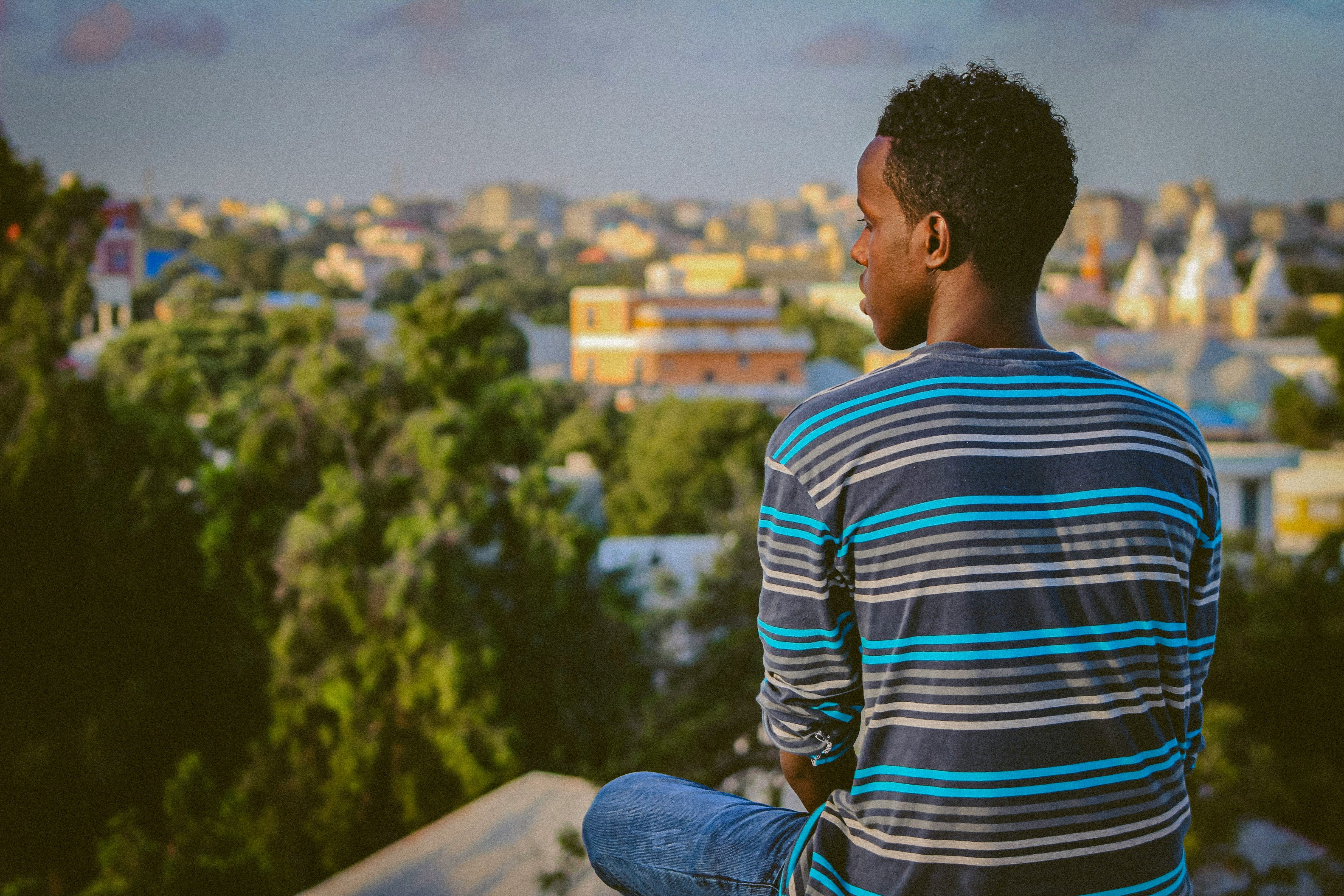
Somalia underwent its own bloody revolution before 1977, as Mohamed Siad Barre, the dictator installed as part of the military coup d’etat in 1969, ruled with the cold grip of most postcolonial strongmen. Initially, he was aligned with the Soviet Union, as was common in such ideological proxy wars at the time. But when Somalia invaded Ethiopia’s Ogaden region in 1977 in an irredentist intention to annex Somali-inhabited lands, the USSR suddenly changed sides and started supporting Ethiopia, while Somalia was courted by the United States as its best friend in the region.
In Donna Jackson’s account of the Ogaden War, the reversal of the situation in Somalia was not merely regional, but the end of détente, one of the last nails in Carter’s utopian vision of Cold War thawing. Barre’s early military successes with Soviet weapons were reversed by Ethiopian successes with Cuban troops and Soviet weapons. The Carter human rights policy prevented U.S. military intervention in Somalia, but it also kept the U.S. from walking away from Barre, who received military and economic support, despite his turn to brutal authoritarianism.
Aid for alignment in the Cold War is neocolonial. As Tatah Mentan describes it, the West needs not conquer; the West needs only cultivate dependency: support dictators who liberalize, ignore the massacres, and keep our hands dirty enough to justify our continued involvement. Barre was but one of many bureaucratic bourgeoisie in the African continent, spending their days with foreign expertise tethering them to the countries they preside over, only to have it collapse around them.
By 1991, Barre was gone, the state collapsed, and the world forgot about Somalia. Until it didn’t. Al-Shabaab is but one of several results of Somalia’s failure to cohere, the most troubling of which is the continuous stream of Somali refugees, decades later, treated not as re-settable individuals, but still as a political problem. In his book Terrorism and the Migration of Radical Ideas, Alex Schmid argues that the example of Somalia is archetypal of the process of state failure, that decades of repression and manipulation by foreigners, compounded by global neglect, have brought the country to the point of radicalization by what began as a game of chess during the Cold War.
The lesson is that foreign policy doesn’t just end when the diplomats go home or the cameras are switched off. It metastasizes. The 1970s decisions made for leverage in a geopolitical game continue to reverberate in today’s terrorism, migration, and statelessness. The Horn of Africa is both a warning and a mirror. The Americans might do well to do the math and realize that the pattern is engagement and destabilization followed by outrage over the fleeing refugees.
There was nothing strange about the Ogaden War. It was simply the next iteration of colonial leftovers, repackaged in the strict migration restrictions that characterized the workings of superpower competition during the Cold War. These histories are interconnected. If we don’t remember that, if we talk about “shithole countries” without remembering who built the outhouse, then we’re doomed to repeat the mistakes of the past. And the same people, again and again, will pay the price.
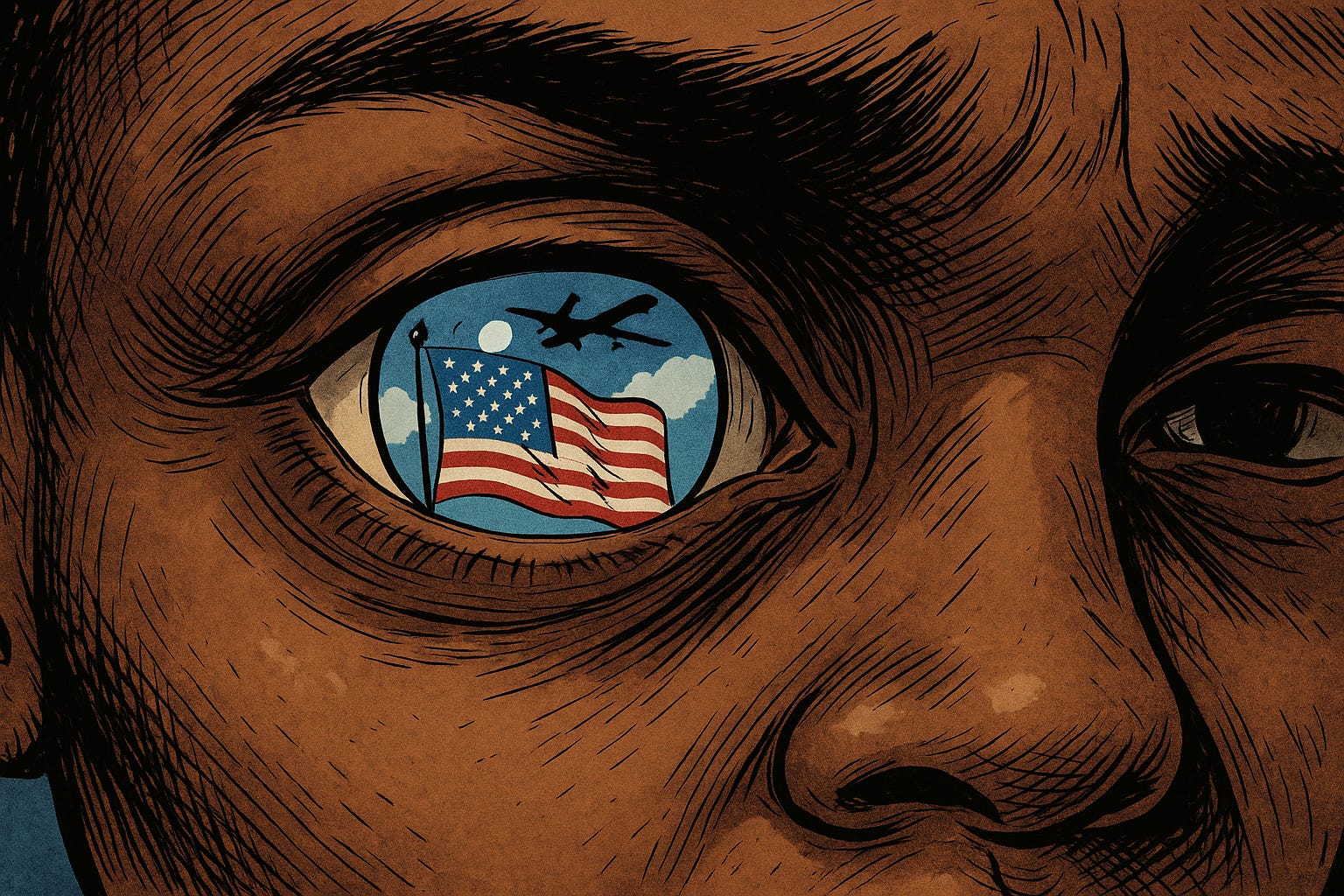
Trump pretty much cussed out the press yesterday, declaring Somalia a “shithole”, blaming Somali migration for America’s so-called decline. It’s a grotesque, ahistorical claim and par for the course. Now it has been backed up with a plan for an ICE raid in Minnesota, home to the largest Somali American constituency in the country, and a member of Congress. Essentially, the message is clear: these people don’t belong. By “these people”, I mean Black, Muslim, refugee, working-class. All of it, coded or explicit.
Somali Americans did not simply wake up one day and decide to move to the frozen North. Most came as refugees. They did not want to leave. They had to leave. They fled a country torn apart by famine, political and social anarchy as a result of decades of colonial misrule and Cold War exploitation. The Somali state did not just collapse. It was sped along by superpower interference, first with arms sales by both sides and finally with abandonment when things got messy.
This collapse produced one of the largest refugee populations in the world. Some were given refugee status and settled in refugee camps in Kenya and Ethiopia. Others were resettled in Minnesota. Minnesota has jobs, but it is snowy and socially distant. It has a social infrastructure, with faith-based organizations, including Lutheran Social Services, driving resettlement efforts. The result is what we see today, the thriving and yet complicated Somali American community that exists in Minnesota: the entrepreneurs, politicians, imams, teachers, truck drivers, single moms, and yes, young people still trying to figure it all out.
