



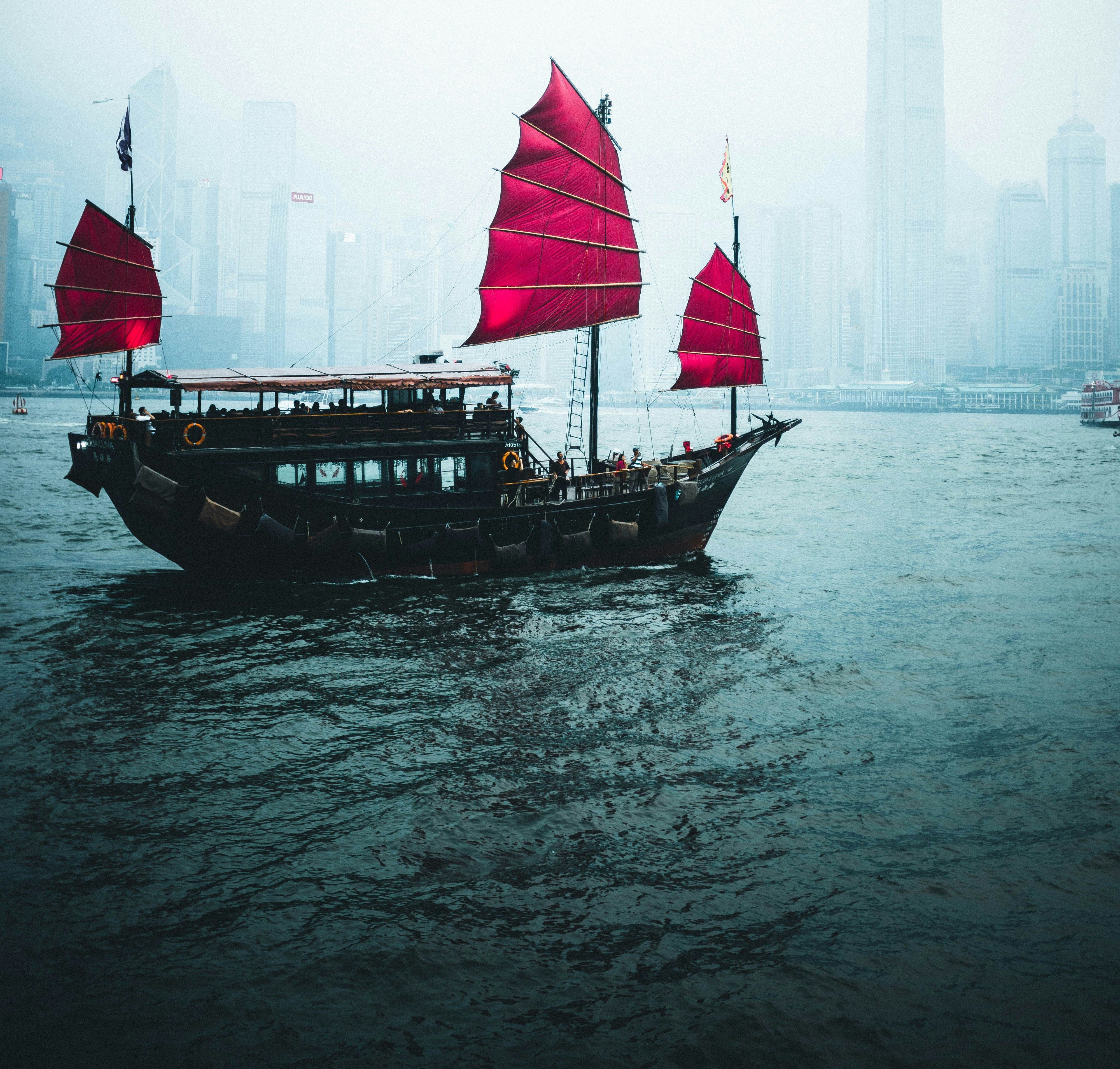
Hong Kong, now reduced to a “special autonomous zone” in name more than function, has been on a glide path to anti-democratic governance since the passage of the “Patriots Only” law in 2021. This law disqualified all but Beijing-approved candidates from running in the Legislative Council (LegCo), transforming what was once a semi-representative body into a managed echo chamber of loyalists. The recent LegCo election, which had a voter turnout of just 31.9%, marks a slight uptick from the last cycle but remains a glaring indicator of public disengagement and fear. Turnout isn’t just apathy, but also about knowing the ballot box no longer connects to meaningful power.
This election arrives in the shadow of one of Hong Kong’s deadliest residential fires in recent memory. It was a tragedy that took over 150 lives and has come to symbolize the erosion of accountability in a system increasingly divorced from public oversight. The link between governance and safety is not just metaphorical as Beijing consolidates power, manipulates regulatory standards, erodes public safeguards, and crisis responsiveness appears increasingly subordinated to elite interests. The fire, like the election, reveals how state power now prioritizes control over care.
With directly elected seats in LegCo slashed from 35 to 20 under the 2021 overhaul, and 40 seats now controlled by a pro-Beijing Election Committee, the balance has tipped decisively away from popular representation. The city’s political architecture now resembles a loyalty test masquerading as a legislative process where participation is permitted only within predefined ideological boundaries.
This institutional transformation didn’t emerge from nowhere. As historian Ming K. Chan observed in her 1997 analysis of British colonial rule, the liberal legal and administrative systems often praised as the British legacy were never intended to empower Hong Kong’s local population. The common law framework, the professional civil service, and the open economy were designed for efficient colonial management, not necessarily democratic inclusion. English-language courts alienated the Cantonese-speaking majority, and electoral reforms were delayed for over a century, only arriving as a parting gift from the departing empire. Chan’s account of a system built on exclusion and economic hierarchy reveals just how easily it could be repurposed for a post-colonial autocracy.
Chan also highlights key missed opportunities for reform during moments of mass political mobilization, such as the 1922 Seamen’s Strike and the 1925–26 General Strike. These uprisings revealed the capacity of local Chinese workers and citizens to organize and demand dignity and representation. But rather than embracing reform, the British colonial regime doubled down on control by suppressing dissent and maintaining a racially stratified order. That same logic of fear and containment now finds new life under Beijing’s stewardship. Opportunities for self-rule were not merely overlooked; they were intentionally extinguished to preserve elite dominance, first the British, now the Chinese Communist Party (CCP). The pattern continued in later flashpoints: the 1967 leftist riots, met with violent repression; and even the 1984 Sino-British Joint Declaration, which promised autonomy under “One Country, Two Systems” but offered no meaningful path to democratic sovereignty. Each moment was an opening that closed.
What has emerged in Hong Kong today is not a break from its colonial past, but a continuation by other means. The mechanisms of elite control, once British, now bear Chinese characteristics, but the functions remain as rule without real consent. Commercial autonomy endures for the politically connected; the average citizen, meanwhile, votes for representatives who cannot represent them.
The United States and its allies, for all their expressions of concern, have offered little more than rhetorical support. Sanctions have been symbolic. Diplomatic censure has been met with Beijing’s indifference. Realpolitik governs here as Washington will not risk its strategic calculus with Beijing for a city it has no military or economic stake in protecting. Hong Kong, once imagined as a beacon of liberal order in the East, is being quietly consigned to geopolitical irrelevance.
The decline didn’t begin with the 2025 election, but this vote, arriving in the wake of mass death and minimal dissent, confirms how far the arc of political accountability has bent. From the 2003 protests to the Umbrella Movement of 2014, from the 2019 anti-extradition protests to the 2020 National Security Law, Hongkongers have fought to bend that arc back. Each time, the system absorbed, deflected, or criminalized their demands.
Today, what remains is not democracy, but a curated facsimile. Hong Kong still gleams in the global imagination, but the sheen masks a deeper erosion. The city’s political destiny, once uncertain, is now performed on a tightly controlled stage.
Democracy has not been lost in Hong Kong. It was never fully granted. What we are witnessing is not a fall from grace, but the end of an illusion.

The Mask Keeps Slipping
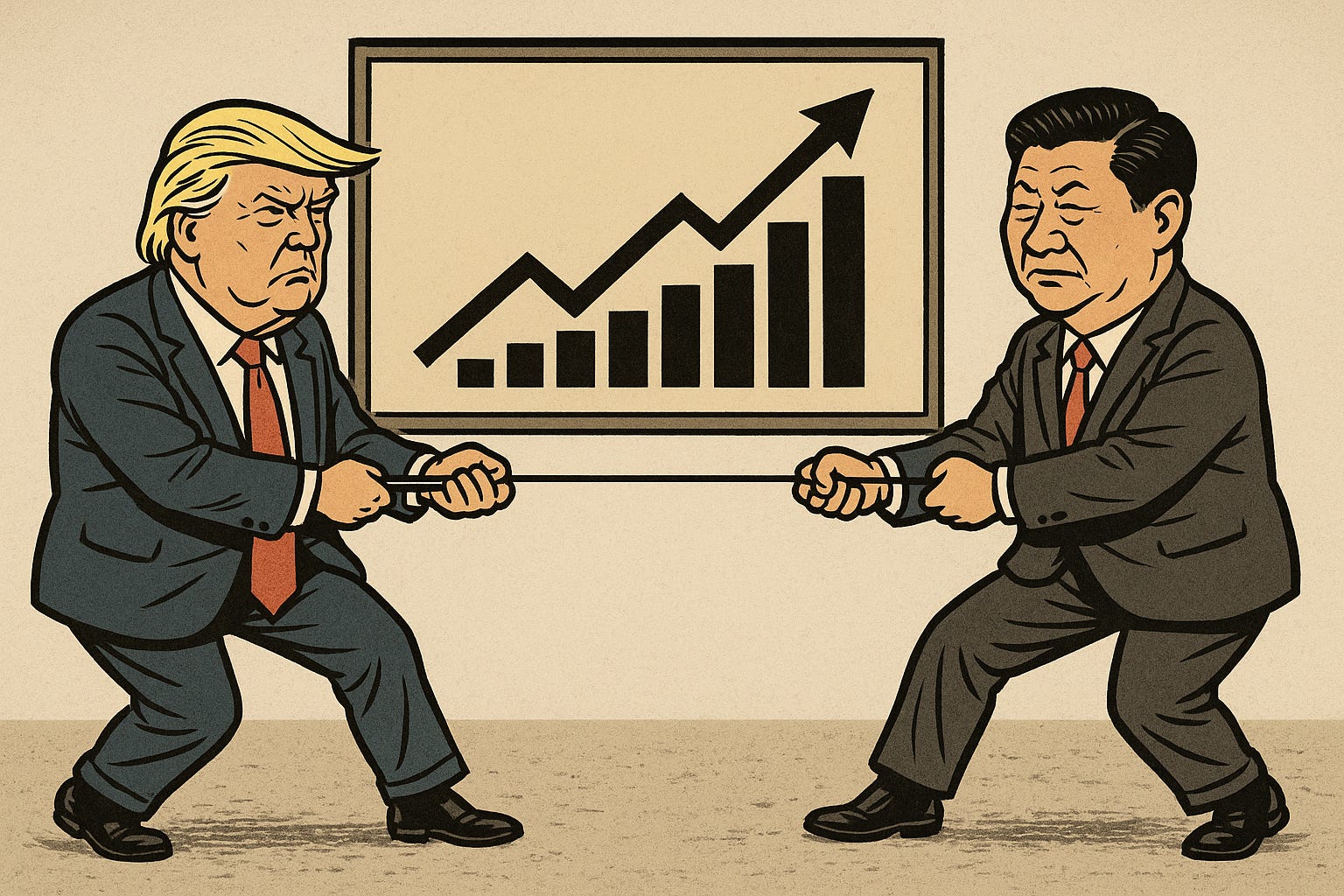
There’s a part of you, if you grew up on American exceptionalism and post-Cold War liberal triumphalism, that wants to believe the U.S. would do something about Hong Kong. You would think the U.S. would at least try to defend a place that once stood as a symbol of democratic hope and capitalist sophistication under the Chinese flag. But that part of you is sentimental and maybe even delusional.
